

HOW TO CHOOSE THE RIGHT GYM FLOORING FOR HOME GYMS AND WORKOUTS?
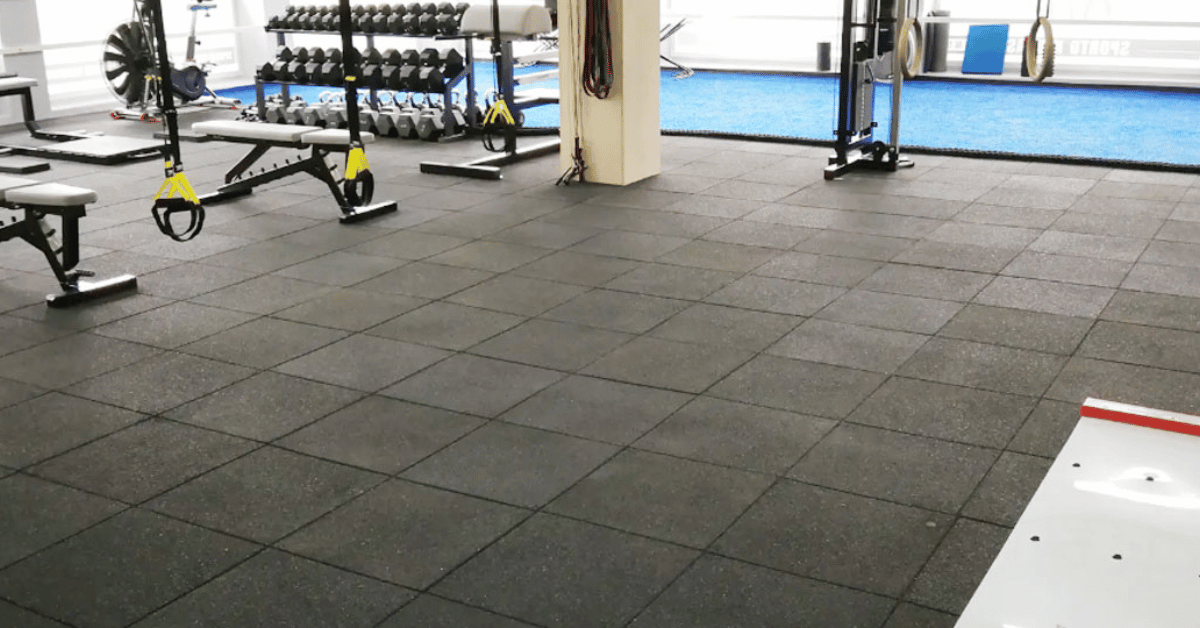
Transfigure your home space into a safe haven for fitness! The right flooring is not just a detail—it's the foundation for smashing exercises and guarding your space. With the right bottom, you can lift heavier, move freely, and concentrate on crushing your pretensions without fussing about slips, falls, or damage. Whether you are a seasoned athlete or just starting out, space flooring plays a pivotal part in your fitness trip.
Let's dive into the crucial factors to consider and find the perfect fit for your home space. From high-impact exercises to yoga overflows, we'll cover it all—continuity, safety, and style. Get ready to level up your drill space and take your fitness to new heights!
Prior to designing a zone plan, space drivers should assess factors similar to their position (ground bottom or above other units) and the type of spaces they share walls with, as noise can significantly impact both space members and bordering units.
In this article, we'll explore all the necessary things that we should keep in mind. Additionally, we'll explore why YYC Floorings is the top choice for setting up the right gym flooring in your house.
Choosing the right space flooring for your home can be inviting, but do not worry, we have got you covered! The right flooring can make a huge difference in your drill experience, guarding your outfit, joints, and subfloor. Then there are the crucial factors to consider.
Key Considerations While Choosing Gym Flooring—
Exercise Type: The type of exercise you do will mandate the position of the bumper and the continuity you need. High-impact conditioning like toning, CrossFit, or HIIT (high-intensity interval training) requires thicker, more gentle flooring to absorb shocks and cover your joints. Low-impact exercises like yoga, Pilates, or stretching prefer lighter, more responsive shells that allow for smooth movements.
Available Space: Measure your drill area precisely and choose flooring that fits seamlessly. Consider storehouse and transport ease—interlocking penstocks or roll-eschewal mats can be super accessible.
Budget: Set a budget and balance it with continuity and quality. Invest in flooring that'll repel your drill intensity and frequency. Suppose long-term savings on repairs or reserves.
Position: If your space is in a garage or outdoor space, conclude with further durable, water-resistant accoutrements like rubber or vinyl. These can handle temperature oscillations and humidity better.
Safety: Features Look for flooring with slip-resistant shells to help prevent cascades and injuries. Shock immersion is also pivotal—it will cover your joints and outfit during high-impact moves.
Top Flooring Options for Gym Flooring—Let's break down the top flooring options for your home space.
Rubber Flooring: Durable, easy to clean, and excellent shock absorption, ideal for high-impact exercises.
Vinyl Flooring: Water-resistant, easy to clean, and affordable, but less durable than rubber.
Cork Flooring: Eco-friendly, antimicrobial, and comfortable, but may not suit heavy outfits.
Also, foam tiles are soft, gentle, and affordable and perfect for low-impact exercises and home gymnasiums on a budget.
Rubber flooring is super durable, easy to clean, and absorbs shocks like a pro—perfect for high-impact exercises like toning or CrossFit, though it can be pricey and might have a strong new smell.
Vinyl flooring is water-resistant, easy to clean, and affordable, offering a good balance of cost and practicality for moderate-use gymnasiums, though it's less durable than rubber.
Cork flooring is eco-friendly, antimicrobial, and comfy underfoot—ideal for low-impact exercises and eco-conscious gymnasiums—but it might not suit heavy outfits or high heels. Want to constrain down grounded on your drill style or budget?
Additional Tips by YYC Floorings: Consider underlayment for added protection and stability.
Choose flooring with a non-slip face to help prevent injuries.
Measure your space precisely to ensure a proper fit.
YYC Floorings notes that in mixed-use structures, the flooring system must also serve as an aural hedge, recommending the use of thick rubber penstocks paired with technical underlayers to produce a quieter space atmosphere.
In cases where noise is a critical concern, drivers are advised to bypass conventional fitness mats and borrow soundproof flooring systems designed for high-impact use. Indeed, if a space is positioned on the ground's bottom with minimum noise-sensitive locales, controlling impact and vibration remains essential, though further emphasis can be placed on continuity and design preferences.
The composition also recommends mapping the space layout based on threat situations related to flooring requirements rather than solely on exertion types. High-threat zones, where heavy outfits and violent conditioning like HIIT are done, bear thicker rubber flooring to guard both druggies and the structure’s substructure.
Medium-threat areas, similar to leg-loaded strength machines and functional training sections, bear flooring that balances usability and safety, whereas low-threat zones like event areas can concentrate on aesthetics and comfort without compromising safety.
By grading zones in this way, space directors can make informed budget opinions, ensuring that investments in flooring are prioritized according to the threat associated with each area. This strategic approach aids in balancing functionality, safety, and cost-effectiveness in space design.
Want to know more details? Let’s schedule an appointment.
Frequently Asked Questions
What is the most stylish flooring for a home space?
Rubber flooring is the most popular choice due to its continuity and shock absorption.
How thick should space flooring be?
8 mm is standard, but 3/8" or thicker is recommended for high-impact exercises.
Is vinyl flooring suitable for home gymnasiums?
Vinyl is affordable and water-resistant but less durable than rubber.
Can I install gym flooring myself?
Yes, numerous options like interlocking tiles are DIY-friendly.
