

How to Choose the Best Flooring Material for Your Home Renovation in Calgary (Expert Guide)
Choosing the best flooring material for a home renovation depends on room usage, budget, durability, and local climate. In Calgary, engineered hardwood, luxury vinyl plank (LVP), tile, and laminate are the most popular options due to temperature changes and moisture control needs.
" Hey! So, you are revamping your home in Calgary and are stuck on flooring? I have got you! I was talking to a friend who is a contractor, and they said continuity and water resistance are crucial, especially with Calgary's climate. What is your style- ultramodern, classic, or rustic? And what is your budget looking like?"
This preamble is casual, friendly, and shows you are interested in helping them make a decision. It also opens up the discussion to get further word about their preferences and requirements.
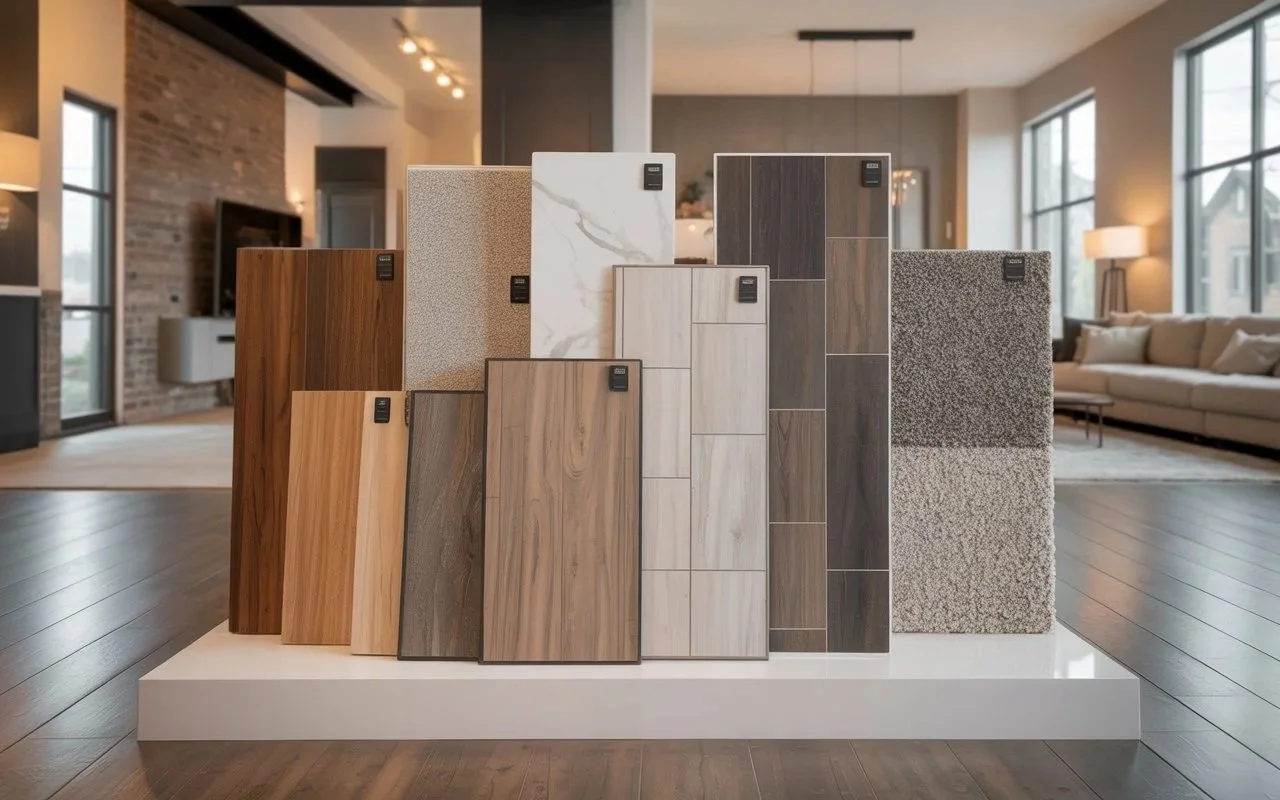
Crucial considerations and clarifying questions
Room function Is it high- business, wet( restroom, mudroom), or a cozy bedroom?
Budget Upfront brings versus long-term value and resale impact.
Climate and humidity, Calgary’s snap-thaw and inner moisture affect material choice.
conservation forbearance Do you want low conservation or are you willing to refinish?
Aesthetic and resale Do you want a dateless look( hardwood) or a ultramodern, durable finish( LVP)? Comparison at a glance
Read: Affordable Flooring Upgrades That Maximize Home Value Before Selling
Flooring Material Comparison Table
| Material | Best For | Durability | Maintenance | Typical Cost |
|---|---|---|---|---|
| Engineered Hardwood | Living rooms, bedrooms | High; more stable than solid wood in Calgary (YYC) climate | Refinishable; moderate care | Mid–High |
| Luxury Vinyl Plank (LVP) | Kitchens, basements, mudrooms | Very high; water resistant | Low; easy to clean | Low–Mid |
| Porcelain Tile | Bathrooms, entryways | Very high; fully waterproof | Low; occasional grout care | Mid–High |
| Laminate | Budget living areas | Moderate; water-resistant models available | Low; avoid standing water | Low |
| Carpet | Bedrooms, low-traffic cozy spaces | Moderate; prone to stains and wear | Regular vacuuming; periodic deep cleaning | Low–Mid |
Step-by-step selection guide
Map rooms to performance needs: prioritize waterproof or water-resistant options for entry, kitchen, and basement.
Set a realistic budget: include installation, underlayment, and transition pieces.
Test samples at home: view in morning and evening light on your subfloor.
Check warranties and lifecycle costs: a cheaper floor may cost more over 10 years.
Hire local pros: YYC installers understand Calgary conditions and can advise on subfloor prep and insulation.
Risks, trade-offs, and how to avoid common pitfalls
Moisture damage: choosing hardwood for a basement without a proper vapour barrier leads to warping; prefer LVP or tile.
Poor installation: gaps, squeaks, and premature failure often come from rushed installs—use licensed local contractors and check reviews.
Hidden costs: subfloor repairs, trim, and disposal can add 10–20% to your budget.
Style vs durability: trendy finishes may date quickly; choose neutral tones if resale is a priority.
Popular Flooring Options
Hardwood Flooring: Timeless, durable, and adds value to your home. Popular species include oak, maple, and cherry.
Laminate Flooring Budget-friendly, easy to install, and mimics natural accoutrements.
Vinyl Flooring( LVP/ LVT) Leakproof, durable, and protean. Great for kitchens and bathrooms.
Tile Flooring: Extremely durable, water-resistant, and perfect for high- business areas.
Carpet Flooring: Soft, warm, and great for bedrooms and living areas.
Bamboo Flooring: Eco-friendly, durable, and swish.
Cork Flooring: is Sustainable, soft, and naturally separating
FAQs
-
A: Engineered hardwood or LVP are top picks because they handle temperature swings better than solid hardwood.
-
A: Engineered hardwood is usually compatible; confirm with the manufacturer and installer.
-
A: Tile and LVP can last 20+ years; engineered hardwood 15–30 years with refinishing; carpet 5–10 years depending on quality.
-
A: DIY is possible for LVP and laminate; for hardwood and tile, professional installation reduces risk and preserves warranties
Final Tips
- Research and compare prices.
- Consider hiring a professional for installation.
- Think about your lifestyle and needs.
Want to know more about a specific flooring type or get recommendations for your specific renovation project?
